
Turnkey BSF Farm or Individual Equipment? How to Make the Right Commercial Decision
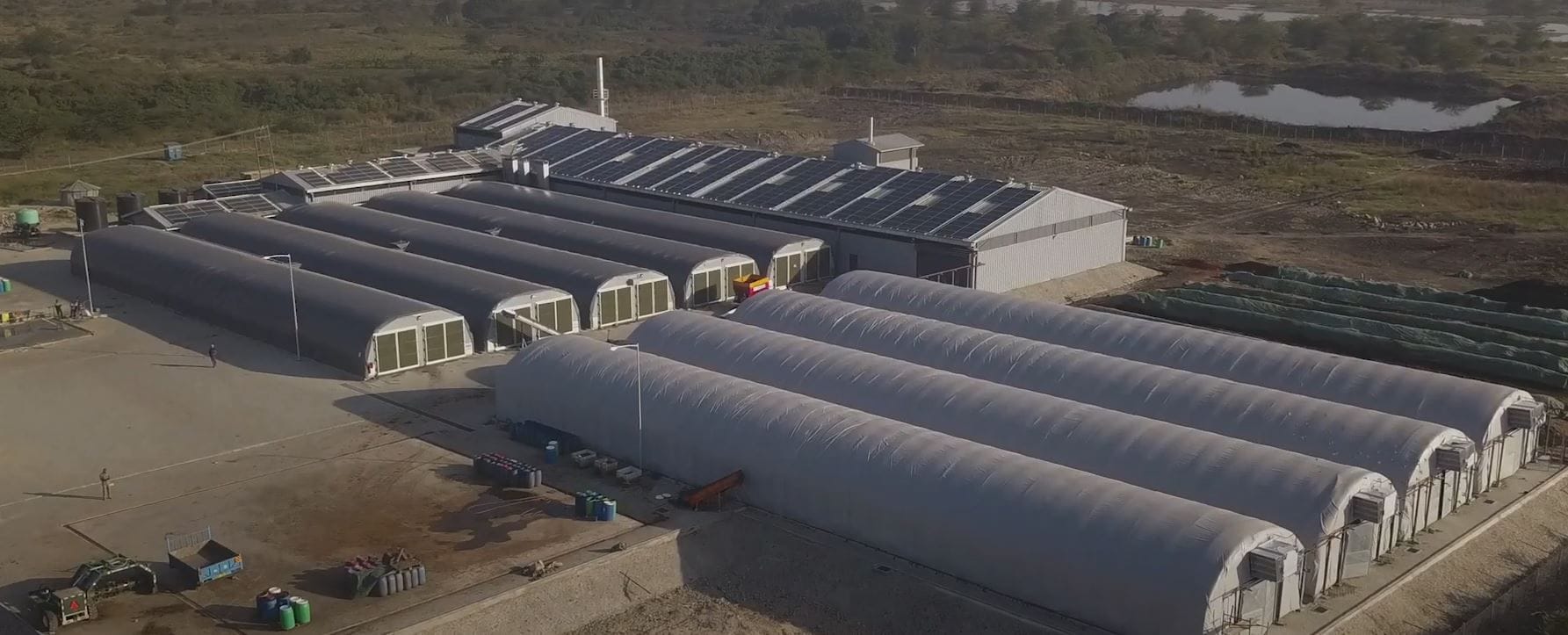
One of the first questions entrepreneurs ask when planning a Black Soldier Fly facility is whether they should purchase a complete turnkey farm or buy individual equipment from different suppliers.
At first glance, comparing equipment prices seems like the logical approach. In practice, however, that is rarely the most important decision.
When individual equipment makes sense
Not every project requires a turnkey approach.
Many companies already have valuable assets. Some have existing buildings. Others have experience with climate systems, processing equipment or industrial automation. In those situations, purchasing individual equipment can reduce investment costs and make good commercial sense.
If you already have the knowledge to integrate different technologies and manage multiple contractors, buying separate components may be the right strategy.
Why the first commercial farm is different
The situation changes significantly when building your first commercial BSF facility.
Investors, customers and management will judge the business based on the performance of that first project. That means technical integration becomes just as important as the individual machines.
Across multiple projects we’ve seen that breeding, rearing, climate control and processing can all perform well independently. The challenge is making them perform together.
When different contractors are responsible for different sections of the facility, problems can become difficult to resolve. One supplier points to another, while the customer remains responsible for finding the answer.
A turnkey project creates a different situation.
There is one engineering philosophy, one integration strategy and one party responsible for making the complete facility operate as intended.
Turnkey is about reducing risk
Many people think turnkey simply means buying everything from one supplier.
That is only part of the story.
A good turnkey partner takes responsibility for integrating engineering, raw material handling, production systems, climate technology, processing equipment and commissioning into one commercial operation.
The objective is not to supply the greatest number of machines.
A practical approach
At Insect Engineers we don’t believe turnkey is always the answer.
If a customer already has strong engineering capabilities or existing infrastructure, we are equally comfortable supplying individual process sections.
But for entrepreneurs building their first commercial farm, we generally recommend a turnkey approach. It creates a clear responsibility structure, simplifies project management and significantly reduces integration risk.
After successfully operating the first facility, many customers are well positioned to make different choices for future expansions because they have gained the operational experience to manage those projects themselves.
The question to ask yourself
Don’t start by asking which supplier has the best equipment.
Because in commercial BSF farming, successful integration is often worth far more than selecting the perfect individual machine.
Happily shared by Bob Holtermans, founder of Insect Engineers. For more practical insights about commercial BSF farming and turnkey BSF engineering, visit www.insectengineers.com. Bye, bye, gotta fly!