
Markets
The Magic of Bioconversion:
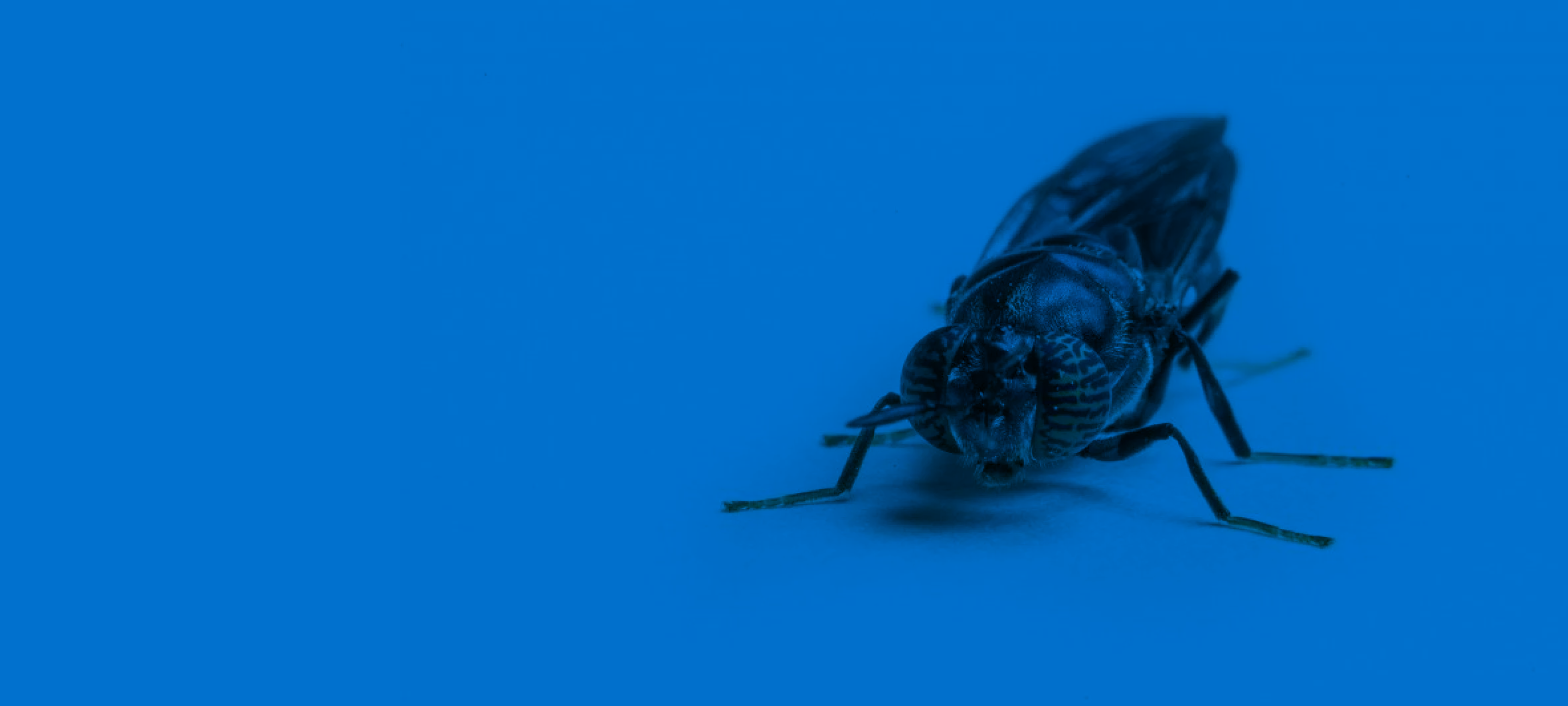
Black Soldier Fly (BSF) larvae have emerged as remarkable allies in the quest for a greener, more efficient future. Their insatiable appetite and impressive adaptability, hold the key to unlocking the hidden potential of organic waste. They are a valuable source of oil and protein for animal feed. In addition, they can convert organic waste into nutrient-rich fertilizer.
These voracious eaters have a special talent for bioconversion. They can devour a wide range of organic waste materials, from kitchen scraps to agricultural leftovers and even manure. As a result, they reduce the volume of organic waste and transform it into valuable resources.
- The Process of Waste Transformation:
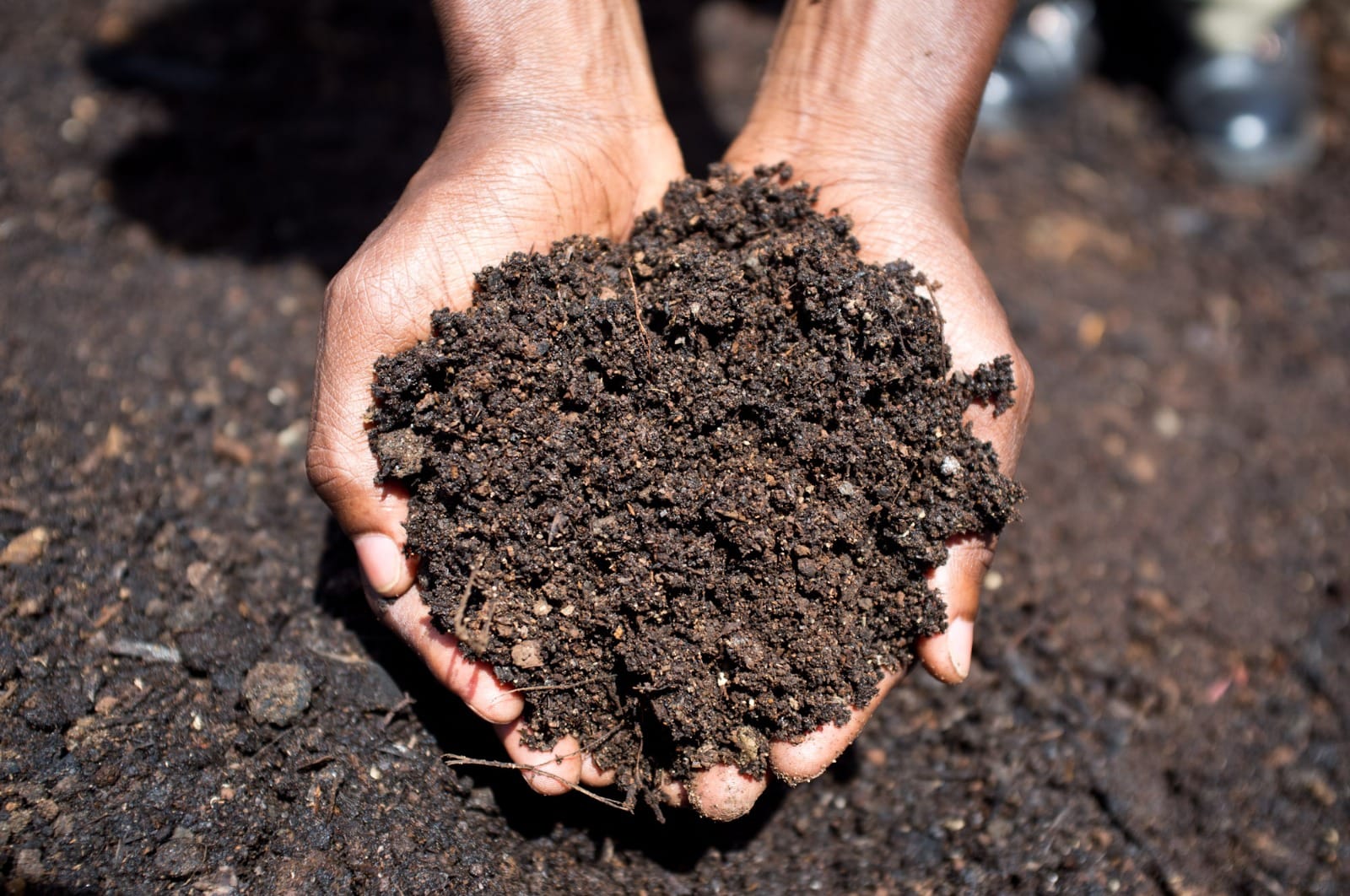
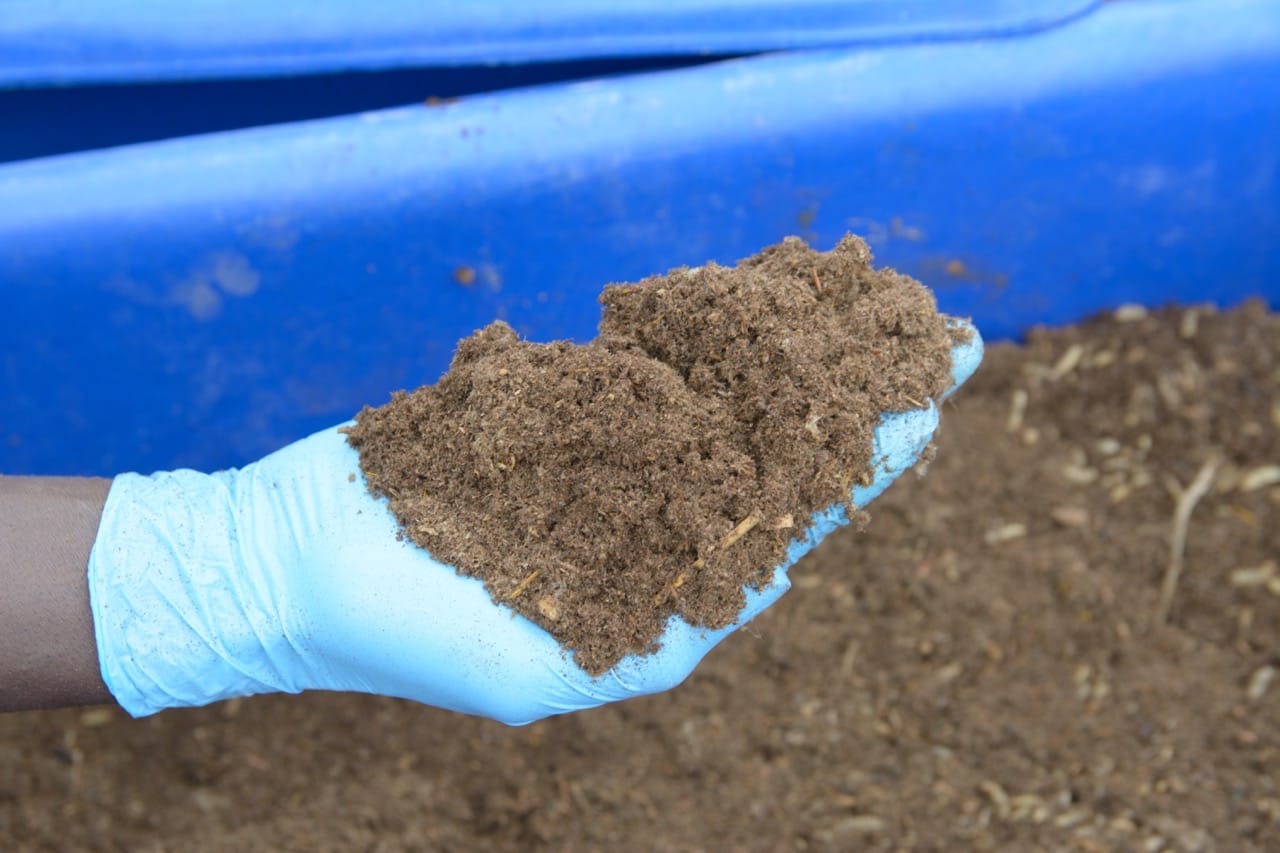
The waste transformation process with BSF larvae is simple. First, farmers place the larvae on organic waste, which becomes their main food source. As the larvae feed, they break down the waste through digestion and excretion. As a result, the waste turns into a nutrient-rich residue called frass.
In addition, frass contains essential nutrients such as nitrogen, phosphorus, potassium, calcium, magnesium, and trace minerals. These nutrients support plant growth and improve soil fertility. Moreover, frass releases nutrients slowly, so plants can absorb them gradually. Therefore, plants receive a steady supply of nutrients over time.
- Beneficial Microorganisms:
Frass also supports beneficial microorganisms in the soil. For example, it helps maintain bacteria, fungi, and protozoa that contribute to soil health. These microorganisms break down organic matter and recycle nutrients. As a result, they create a more balanced soil ecosystem and support stronger plant growth. - Enhanced Soil Structure:
Frass improves soil structure and water retention. Its organic composition increases soil porosity and improves aeration. Consequently, plant roots can grow more easily and absorb nutrients more efficiently. Therefore, plants develop stronger and healthier root systems. - Natural Pest Repellent:
In addition to its nutritional benefits, frass may help deter some common pests. Certain compounds found in insect byproducts can discourage pest activity around plants. As a result, frass can support more natural pest management strategies. This feature is especially useful in organic farming systems. - Environmentally Friendly:
Frass also aligns with sustainable agricultural practices. It is a renewable byproduct of insect farming that converts organic waste into valuable fertilizer. As a result, it reduces landfill waste and lowers the need for synthetic fertilizers. Therefore, it supports a more environmentally responsible farming system. - Application of Frass:
Farmers can apply frass in several ways. For example, they can use it as a top dressing, mix it into the soil, or dilute it as a liquid fertilizer. Because of this flexibility, frass fits well into many farming and gardening practices.
The use of Black Soldier Fly larvae to convert organic waste into fertilizer helps reduce the amount of waste sent to landfills. As a result, methane emissions from organic waste decomposition can also be reduced. In addition, this process decreases the reliance on chemical fertilizers.
Current LCA models show that the carbon balance of frass fertilizer is significantly lower than that of industrial fertilizers. For example, producing one ton of frass generates about 1.1 tons of carbon emissions. In comparison, industrial fertilizer production generates around 8.5 tons.
Consequently, this approach can save up to 7.4 tons of carbon emissions per ton produced. Furthermore, it becomes an attractive option for organizations seeking to balance their environmental profile or participate in the carbon market. Overall, the use of Black Soldier Fly larvae supports more sustainable waste management and agricultural practices.
Frass, the natural byproduct of Black Soldier Fly larvae is a gardening goldmine that offers a variety of benefits for plants and soil alike. This wonder-material is an all-natural, nutrient-packed fertilizer that can transform your garden or horticulture business.
- Packed with Plant-Promoting Nutrients: Imagine giving your plants a balanced meal rich in nitrogen, phosphorus, potassium, calcium, magnesium, and essential trace minerals. Frass does just that, catering to your plants’ nutritional needs and encouraging vigorous growth from root to bloom.
- Gentle, Slow-Release Feeding: With frass, your plants get a steady diet of goodness without the risk of nutrient overload. This slow-release mechanism ensures your plants have a continuous supply of what they need to grow strong and healthy over time.
- Boosts Soil Health and Structure: Frass is not just food for your plants; it’s also a tonic for your soil. It enhances soil structure, boosts water retention, and promotes better root aeration and development. Healthy soil equals healthy plants, and frass is a key ingredient in this equation.
- Fosters a Thriving Microbial Ecosystem: Dive into the microscopic world of your garden soil with frass, which introduces beneficial bacteria, fungi, and protozoa. These tiny allies work behind the scenes to break down organic matter, cycle nutrients, and protect your plants from harmful pathogens.
- Natural Pest Deterrent: Say goodbye to chemical pesticides. Frass contains natural compounds that repel common garden pests, safeguarding your plants with an eco-friendly shield.
For gardeners and horticulturists looking to embrace sustainable, effective gardening practices, frass is a standout choice. It’s not just a fertilizer; it’s a comprehensive soil and plant health booster that aligns with the principles of organic gardening.
Get in Touch for Tailored Training Solutions
Eager to transform your BSF farming ambitions into reality? Visit the Insect School website to learn more about our training programs. Discover how Insect Engineers can help elevate your venture. Let us guide you on your journey to becoming a successful BSF entrepreneur. With our expertise, you can grow your business in the exciting world of insect farming.