
Are crates still the standard for commercial BSF production?
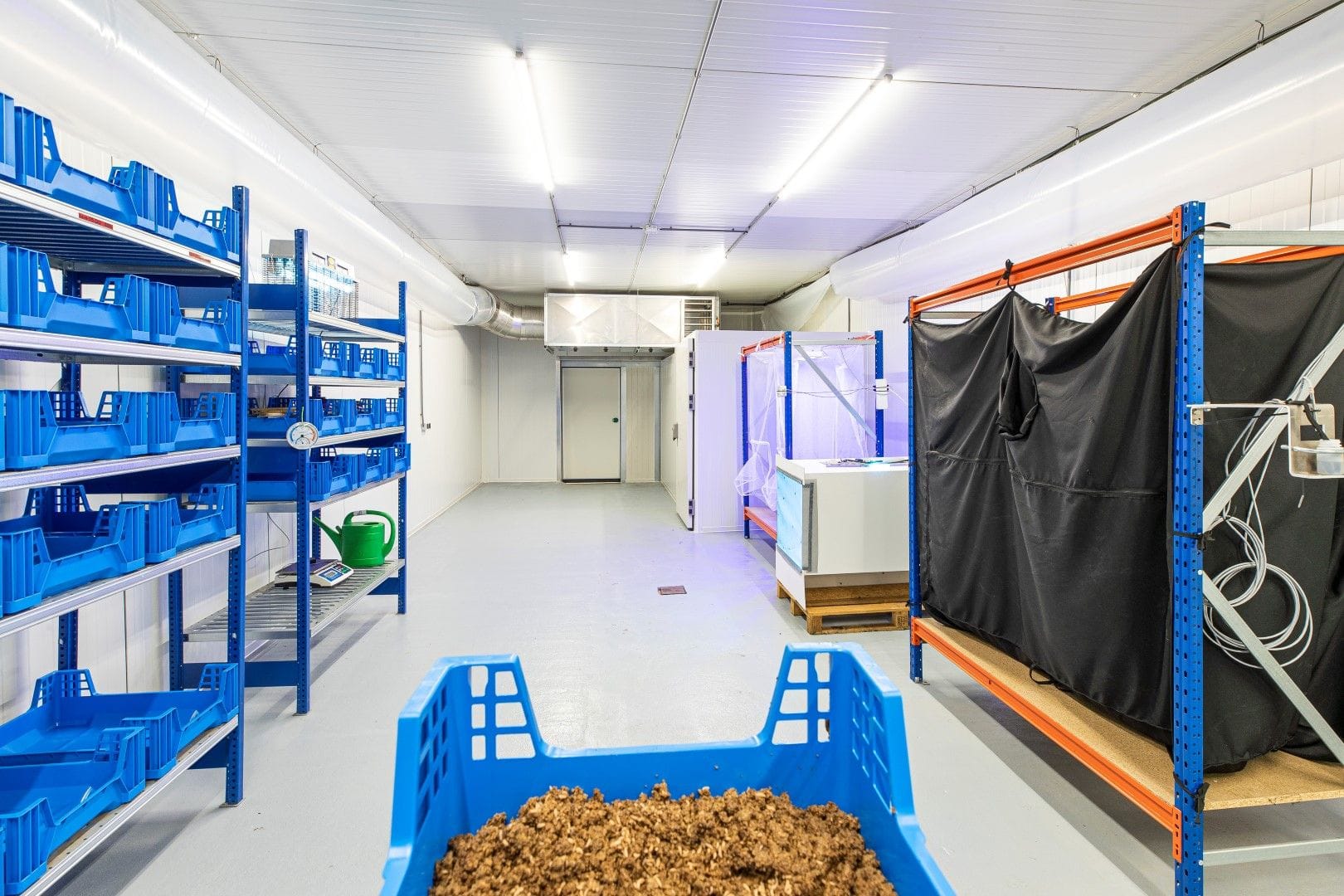
For many entrepreneurs entering the BSF industry, the answer seems obvious. Most of the first commercial farms were built around crate-based production.
But the question is no longer whether you can rear BSF in crates.
That sounds like the same question, but it isn’t.
As farms become larger, scalability becomes the real challenge. Labour requirements increase. Capital investment grows. Operating costs continue long after the facility is built. And every moving part inside a rearing room eventually needs maintenance.
What I often see is that entrepreneurs still compare today’s technologies with the standards of yesterday.
Across the industry we’ve all learned valuable lessons. Several large commercial projects have shown us that scaling a BSF facility successfully requires more than simply adding more crates. Those experiences forced many of us to rethink how a commercial farm should be designed.
That is exactly why we developed the ZOEM system. Not because crates cannot produce larvae, but because we believe the next generation of commercial farms should be designed around scalability, lower operating costs and simplicity. A rearing room without moving parts reduces maintenance, improves reliability and creates a stronger business case as production grows.
Every industry evolves. The BSF industry is no different.
The real question is not whether crates worked in the past.
Happily shared by Bob Holtermans, founder of Insect Engineers. For more practical insights about commercial BSF farming and turnkey BSF engineering, visit www.insectengineers.com. Bye, bye, gotta fly!